Arabic Digital PR Services: How to Earn Relevant Media Coverage Across MENA
A strategic guide to Arabic Digital PR, localized story development, publisher targeting, campaign execution, and measuring business impact across MENA.
Arabic Digital PR helps brands earn relevant visibility across Arabic-language media through useful stories, expert commentary, research, data, and publisher relationships. It can support awareness and credibility in regional markets, but successful campaigns require more than distributing a translated press release. The story must be meaningful to the audience and suitable for the publication.
PublishBridge connects agencies with Arabic publishers and supports discovery for campaigns involving guest posts, link insertions, and publisher outreach. Explore the Arabic publisher network or learn how to request access to the publisher database.
What Does Arabic Digital PR Include?
Depending on the campaign, Arabic Digital PR may include regional media research, localized story development, journalist or editor outreach, expert commentary, research-led content, campaign coordination, and coverage reporting. Not every campaign needs every activity. The mix should follow the audience, story, budget, timing, and intended business outcome.
Start With a Story Worth Publishing
Before building a media list, ask what makes the story useful or newsworthy for the target market. Strong angles may include original survey results, a transparent analysis of market data, a qualified expert’s response to a current issue, a practical industry benchmark, or a locally relevant case study. Avoid presenting routine product announcements as major news without a defensible reason.
Localize by Country and Audience
Arabic-speaking markets are not interchangeable. A story for a Saudi business audience may need different examples, sources, terminology, and timing from a story aimed at readers in Egypt or the UAE. Use Modern Standard Arabic where appropriate, but have a qualified editor review local terminology and cultural context. Do not infer a publisher’s audience from its language alone.
Select Publishers by Fit, Not Just Metrics
Review the publication’s subject coverage, editorial standards, audience signals, geographic focus, recent activity, and likely interest in the story. SEO metrics are useful as secondary screening signals, not proof of readership or editorial credibility. Our article on evaluating publisher risk beyond DR explains why a single score should not drive decisions.
A Repeatable Arabic Digital PR Workflow
Research: define the market, audience, issue, and relevant media landscape.
Develop: create a fact-checked story with sources, spokesperson details, and localized context.
Qualify: shortlist publishers whose editorial remit matches the story.
Pitch: personalize outreach and clearly state the story’s value to readers.
Coordinate: manage approvals, interviews, assets, translations, and deadlines.
Verify: record live coverage, links, publication dates, and any disclosure requirements.
Evaluate: connect coverage to referral engagement, branded search, leads, and assisted conversions where measurement permits.
How Digital PR and SEO Work Together
Digital PR can create opportunities for brand discovery, relevant citations, referral visits, and stronger recognition within a topic area. However, media coverage does not automatically produce rankings, and a link should not be treated as a guaranteed ranking mechanism. The strongest programs align PR stories with useful on-site resources and a broader content strategy. For related principles, read our guide to Arabic topical authority.
Metrics That Matter
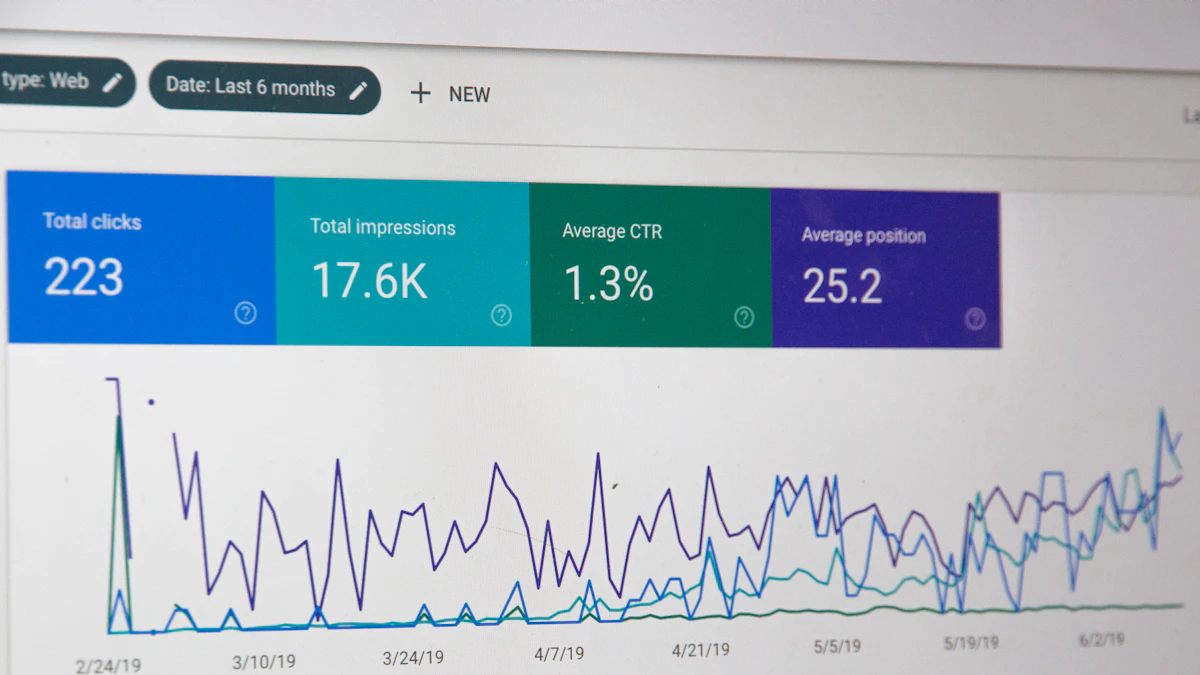
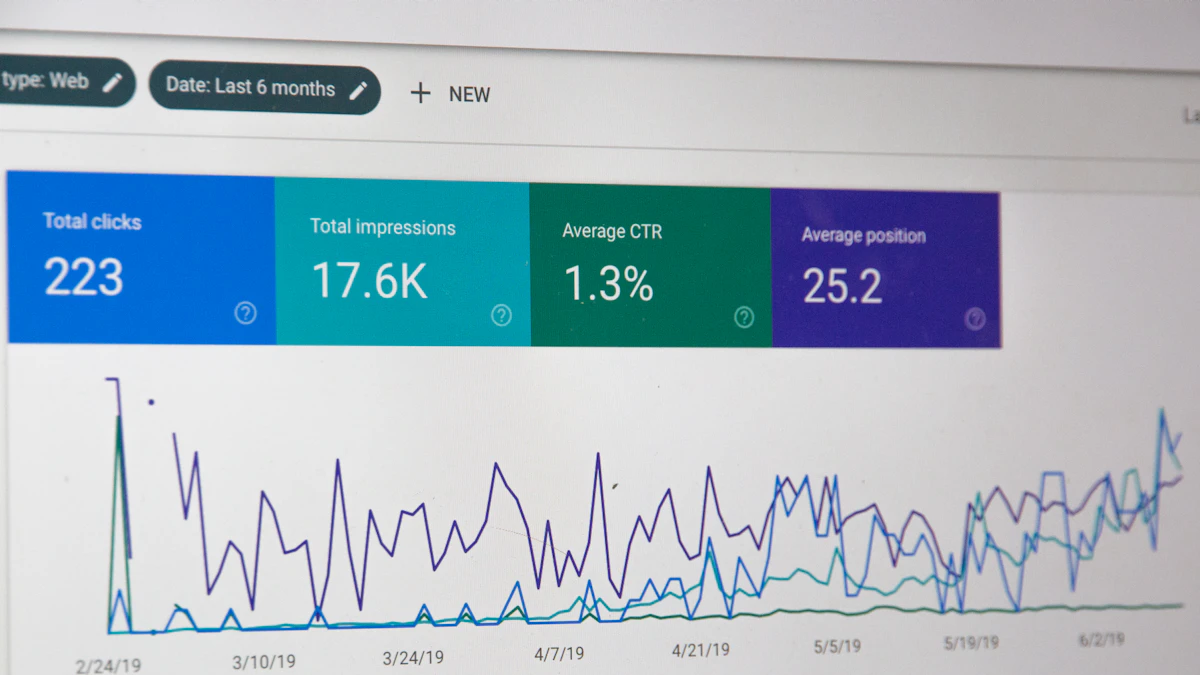
Report the quality and relevance of coverage, target-market reach where reliable data exists, engaged referral traffic, branded search trends, qualified enquiries, and assisted conversions. Separate outputs—such as the number of pitches sent—from outcomes, such as meaningful coverage or qualified visits. Be transparent about attribution limitations and do not claim causation from correlation alone.
Choosing a Partner for Arabic Digital PR
Ask prospective partners how they qualify publishers, validate information, manage Arabic editorial review, disclose paid placements, handle approvals, and report live results. Confirm what is included and what depends on each publisher. Be cautious of guaranteed coverage in named outlets or guaranteed ranking gains unless the terms are explicit and credible.
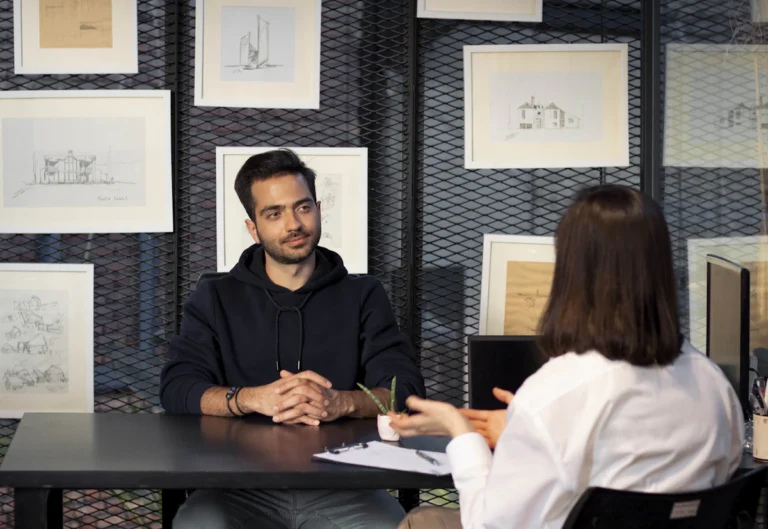
Arabic Digital PR can include expert commentary, interviews, a data-led story, an editorial contribution, a sponsored article, or a news announcement. The right format depends on the strength of the story and the publisher’s standards. A product update may be suitable for a trade outlet but not for independent news coverage unless it contains a meaningful development. Expert commentary works best when the spokesperson has relevant knowledge and can provide a clear, defensible point of view.
Do not choose the format only because it appears easiest to buy. Begin with the audience question and ask what evidence or perspective the brand can contribute. When the story does not offer a distinct benefit to readers, revise the angle before building the media list. This keeps the campaign focused on editorial value rather than distribution volume.
Build Evidence Into the Story
Support material claims with sources that can be checked. For original research, record the sample, methodology, collection period, definitions, and limitations. For a market analysis, distinguish measured findings from estimates and interpretations. For a case study, obtain permission to disclose the customer’s identity and outcome, and verify that the reported result is representative of what actually happened. A transparent limitation is preferable to a sweeping statement that the evidence cannot support.
Prepare a compact evidence pack for the editor: links to primary sources, an accurate spokesperson biography, charts with clear labels, images the campaign has rights to use, and contact details for follow-up. Make it easy to check the story without searching through a large folder of promotional material. Keep claims consistent across the pitch, article, website, and spokesperson brief.
Create a Market-Specific Publisher Shortlist
Segment the prospect list by country, subject, audience, format, and editorial remit. A publication that regularly covers business technology may be a fit for a software story; a consumer outlet may require a different angle and evidence. Review actual recent articles instead of relying only on category labels. Verify how the publisher handles contributed articles and sponsored content, and record the reason each outlet belongs in the shortlist.
Audience and traffic claims should be supported by evidence where possible. Language and domain extension alone do not prove that a site reaches the target country. Third-party traffic estimates can help prioritize research but are not verified readership figures. If evidence is incomplete, note that limitation and decide whether the opportunity merits further validation. The MENA publisher-risk guide explains why simple domain metrics are not enough.
Localize Editorial Outreach and Spokesperson Preparation
Adapt examples, terminology, and emphasis to the specific market rather than inserting a country name into a generic message. Have a qualified Arabic editor review the pitch and assets, and prepare spokespeople for likely questions in the language and context of the target publication. Verify pronunciations, titles, numbers, dates, currencies, and quoted statements. Avoid cultural generalizations that treat Arabic-speaking audiences as identical.
A strong pitch identifies the story, its relevance to readers, the evidence available, and a specific next step. A long company introduction or vague claim of market leadership makes the editor work harder. Do not imply independent coverage when the arrangement is sponsored; state the commercial format clearly and agree the scope in advance.
Align Media Coverage With a Useful Website Destination
When a story refers readers to the brand’s website, send them to the page that best supports the claim and continues the reader’s task. This may be a research page, explanatory resource, or relevant service page. Check that it loads, works on mobile, clearly explains the offer, and has a meaningful next step. A media campaign can generate interest without converting if the destination is vague or unrelated to the story.
Use natural contextual links and follow publisher policies for paid or sponsored coverage. Media mentions and backlinks do not guarantee rankings; treat Digital PR as one component of a wider content and authority program. Internal links should help people move from the referenced resource to deeper explanations or appropriate service information. Related guidance is available in the Arabic topical authority guide.
Measure Outcomes and Learn From Each Campaign
Report publisher relevance, quality of coverage, publication status, referral engagement, branded search trends, qualified leads, and assisted conversions where tracking permits. Keep estimated reach separate from verified audience numbers. Distinguish inputs, such as pitches sent, from outputs, such as placements, and business outcomes, such as qualified enquiries. Use an agreed reporting period and explain attribution limits rather than claiming causation from timing alone.
After the campaign, review which story angles earned substantive interest, which publishers were responsive, what evidence editors requested, and where approvals slowed delivery. Record lessons that can inform the next brief. Explore the Arabic publisher network, review the database access page, or discuss the target market and story with the PublishBridge team.
Prepare a Clear Post-Campaign Review
After the campaign, record which angles produced meaningful editorial interest, which sources or assets editors requested, where approvals slowed delivery, and which placements reached the intended audience. Separate verified coverage from pitches or estimated reach, and keep the reporting period consistent. Use the findings to improve the next brief rather than assuming a single campaign will prove a universal rule about a market or publisher type.
For a repeatable workflow, assign an owner to publisher qualification, source verification, localized editing, client approval, and final URL checks. This makes responsibilities clear while preserving editorial judgment. A structured discovery process helps teams compare options, but no list replaces checking the actual opportunity against the current campaign.
How do you verify the quality and metrics of your Arabic publishers?
We continuously audit publishers using Ahrefs metrics (DR, organic traffic), index stability, and spam scores to guarantee authentic, high-value media placements.
Are article placements permanent and guaranteed to be indexed?
Yes, all sponsored articles and Digital PR placements are non-removable and come with a 100% Google indexation guarantee or full refund.
What is the average turnaround time (TAT) for publishing?
Standard publication turnaround time ranges between 3 to 7 business days depending on the selected media outlet and editorial review.
Can PublishBridge handle Arabic content creation and localization?
Absolutely. Our in-house editorial team creates tailored, high-converting Arabic press releases and articles optimized for regional search intent.
Do you offer custom agency discounts or bulk pricing?
Yes, we provide volume-based discounts and custom invoicing solutions for SEO agencies managing multiple client accounts.
Stay Ahead in Arabic Digital PR
Subscribe to receive exclusive insights on MENA search trends, new verified publisher additions, and agency strategies.
Need a Custom Media Strategy?
Schedule a brief consultation with our Arabic Digital PR specialists to discuss your campaign targets and custom bulk pricing.