Digital PR succeeds when a story gives an editor a clear reason to pay attention and gives readers a reason to care. For campaigns targeting Arabic-speaking markets, that requires more than translating an English press release and sending it to a large media list. The angle must make sense in the local context, the evidence must be credible, the language must be natural, and the pitch must be relevant to the publication’s audience and editorial priorities.
Arabic-speaking markets are diverse in industry, culture, media habits, and business priorities. A story that matters to a technology editor in one market may be less useful to a consumer or business publication elsewhere. This guide outlines a repeatable process for developing a credible angle, building an evidence base, preparing localized materials, and measuring results without treating publication as an automatic guarantee of links or rankings.
1. Start with a real audience question
Do not begin with the company’s preferred announcement. Begin with a question that readers or a defined community genuinely care about: what is changing, what decision must they make, what trend affects their work, or what local issue deserves explanation? A useful angle connects that question to timely evidence, a clear consequence, and a source that can explain why it matters.
Review the publication’s recent coverage, recurring themes, format, and audience. A business outlet may value market implications, operational data, and expert analysis. A consumer publication may require practical consequences, recognizable examples, or guidance for a specific audience. A specialist technology outlet may want methodology, product context, limitations, and a source able to answer technical questions. Fit matters more than the size of the media list.
Write the angle in one sentence before creating the pitch. If it takes a long paragraph to explain why the story matters, the core may not be ready. The sentence should identify the news, the affected audience, and the evidence or perspective that makes the story worth covering. A product announcement can still be useful, but it usually needs a clear wider significance rather than a string of promotional adjectives.
2. Choose a legitimate news hook
Possible hooks include an original data release, a timely industry development, a new research finding, an expert explanation of a complex issue, a meaningful company milestone, a practical public resource, or a documented change in customer behavior. A hook should be accurate and proportionate. Do not manufacture urgency by labeling an old trend “breaking” or using an unsupported claim that an issue is unprecedented.
Check timing before outreach. A pitch tied to a policy announcement or market event can lose relevance quickly. Confirm what has happened, when it happened, and what can be said confidently. If the data is preliminary, disclose the limitations. If a claim is based on a small sample, say so. Editors need enough information to judge whether the story can be reported responsibly.
Not every campaign needs a major new dataset. A well-supported expert explanation or a useful comparison of existing public information can be valuable when it adds clarity and original analysis. The key is contribution: the story should help an editor answer a question, not simply repeat the company’s service description in news language.
3. Build evidence before writing the headline
For a data-led campaign, document the source, date, collection method, sample, definitions, limitations, and any decisions made during analysis. Use a consistent methodology and retain the underlying records so questions can be answered later. Distinguish direct observations from estimates and interpretation. Avoid implying that correlation proves causation or that a survey represents an entire country when the sample does not support that conclusion.
Expert commentary should be specific and attributable to a real person with relevant knowledge. Confirm the person is willing to be quoted and available for follow-up. Never fabricate a quotation, expert credential, customer endorsement, or research result. If a source’s connection to the company is relevant, disclose it rather than presenting commercial commentary as independent reporting.
4. Localize the story, not just the wording
Arabic localization should preserve the facts while adapting examples, terminology, and framing to the intended audience. Decide whether Modern Standard Arabic or a market-specific register is appropriate for the outlet and subject. A business or technology story often benefits from precise formal language, while a campaign targeting a consumer community may need a more conversational tone. Use a knowledgeable reviewer to catch awkward literal translations and terms that carry a different meaning in the target market.
Confirm names, dates, figures, currencies, geographic references, and units. If the story references a regional trend, distinguish what is true across several markets from what applies only to one country. Avoid using a pan-MENA label to imply that one data sample proves a region-wide conclusion. Local relevance comes from accurate context, not from adding a country name to the headline.
Prepare Arabic materials that an editor can work with: a concise summary, key facts, source notes, high-resolution assets where appropriate, expert details, and direct answers to likely questions. Keep the headline factual and avoid sensational language. If an English source document exists, make sure both language versions tell the same story and disclose any adaptation that changes the substance.
5. Design a pitch around editorial usefulness
A good pitch is short enough to assess quickly but specific enough to make the opportunity clear. Open with why the story fits this publication or journalist. State the main finding or news hook, include the strongest verified evidence, and explain what supporting material is available. Offer an interview, dataset, image, or practical explainer only if it genuinely supports the story. Do not attach a generic company biography to every pitch and expect it to create relevance.
Tailor the subject line and opening to the actual story. Avoid clickbait, vague claims such as “huge news,” and promises of exclusive access unless the offer is truly exclusive. Make it easy for the recipient to respond with a question. If a journalist declines or does not respond, follow the agreed outreach cadence and stop when the contact’s preference or applicable rules require it. Repeated generic follow-ups rarely improve story fit.
Keep a record of each contact, the angle sent, date, response, feedback, next action, and any restrictions. This helps teams avoid sending the same pitch to the same person from several accounts and allows the strategy to improve over time. A response may indicate that the story needs more evidence, a different angle, or a more suitable publication; capture those signals rather than treating outreach as a simple volume exercise.
6. Build a media list around fit
Segment publications by subject, audience, market, editorial format, and likely interest in the story. Review recent articles and verify that the publication is active and relevant. Use public contact information or an appropriate professional channel, and keep the outreach list accurate. Do not infer that a large monthly domain traffic estimate means a particular editor covers every topic, or that a single domain score predicts editorial interest.
Consider different kinds of outlets: specialist publications, established news organizations, trade media, regional outlets, industry blogs, and newsletters. Their value depends on the objective and audience. A highly relevant niche publication may provide better access to decision-makers than a broad outlet whose readership is unrelated to the campaign. Explain the reasoning behind the list instead of ranking it only by authority metrics.
Where a campaign includes sponsored content or a paid placement, distinguish it from independent editorial coverage. Agree on disclosure, link attributes, content control, publication timing, and removal terms before committing budget. Do not sell a paid placement as guaranteed earned media or promise ranking credit through an unqualified link. Editorial relationships and commercial media buying are related but not interchangeable activities.
8. Define success beyond the number of placements
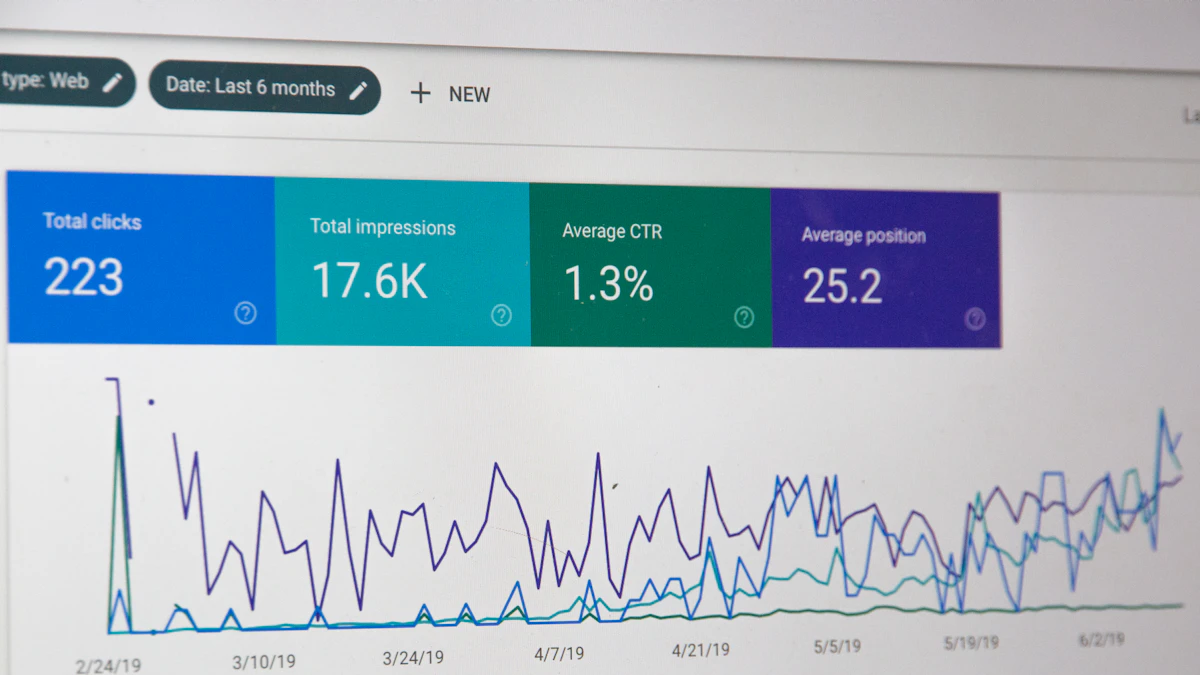
Measure delivery and outcomes separately. Delivery includes relevant pitches sent, responses, interviews arranged, stories published, and assets used. Outcomes can include the quality and relevance of coverage, audience engagement where available, referral traffic, qualified inquiries, brand mentions, or invitations that create future opportunities. Select measures before the campaign launches so the team does not choose whichever metric looks best afterward.
Capture the live article URL, publication date, topic, key claims covered, link attributes where visible, and any corrections requested. Do not call a page indexed without suitable evidence, and do not treat every mention as a backlink. A story may be valuable without a link, while a link from an irrelevant or poorly contextualized page may contribute little to the campaign’s audience goal.
Search visibility can be monitored before and after a campaign, but attribution is difficult. Other content updates, brand activity, competition, seasonality, and technical changes can affect the result. Report observed changes and plausible explanations, not certainty that a single story caused rankings or revenue. For additional selection criteria, consult the guide to evaluating Arabic publishers for SEO.
9. Common reasons Arabic digital PR campaigns underperform
The story begins with the company’s desire for a link instead of a reader-relevant news angle.
Data is weak, poorly defined, too old for the claimed hook, or difficult to verify.
The Arabic version is translated literally and ignores the outlet’s register and audience.
Outreach lists are chosen by domain scores instead of topic fit and editorial evidence.
The pitch is long, generic, or focused on product features without a wider implication.
Success is reported as a raw placement count without context, quality, or clear definitions.
10. A repeatable campaign workflow
Start with the objective and audience question. Develop several possible angles and validate the strongest one with evidence. Check whether the story is timely and relevant to the target market. Prepare a methodology and source pack, localize the materials, and have a subject-aware editor review the language and claims. Build a short, well-justified media list and tailor the pitch for each segment.
During outreach, track responses, learn from objections, and update the angle when evidence supports a change. After coverage appears, verify the page, capture what was published, and report delivery separately from business outcomes. Close the campaign with lessons: which angles resonated, which questions editors asked, which data was missing, and what the team should change next time.
Arabic digital PR is most effective when it respects both editorial standards and local context. A strong story earns attention by making something clearer, more timely, or more useful to the reader. Translation, scale, and media metrics can support the process, but they cannot substitute for a credible angle and evidence that stands up to scrutiny. Build the campaign around those fundamentals and the work becomes more repeatable, transparent, and easier to evaluate.
How do you verify the quality and metrics of your Arabic publishers?
We continuously audit publishers using Ahrefs metrics (DR, organic traffic), index stability, and spam scores to guarantee authentic, high-value media placements.
Are article placements permanent and guaranteed to be indexed?
Yes, all sponsored articles and Digital PR placements are non-removable and come with a 100% Google indexation guarantee or full refund.
What is the average turnaround time (TAT) for publishing?
Standard publication turnaround time ranges between 3 to 7 business days depending on the selected media outlet and editorial review.
Can PublishBridge handle Arabic content creation and localization?
Absolutely. Our in-house editorial team creates tailored, high-converting Arabic press releases and articles optimized for regional search intent.
Do you offer custom agency discounts or bulk pricing?
Yes, we provide volume-based discounts and custom invoicing solutions for SEO agencies managing multiple client accounts.
Stay Ahead in Arabic Digital PR
Subscribe to receive exclusive insights on MENA search trends, new verified publisher additions, and agency strategies.
Need a Custom Media Strategy?
Schedule a brief consultation with our Arabic Digital PR specialists to discuss your campaign targets and custom bulk pricing.