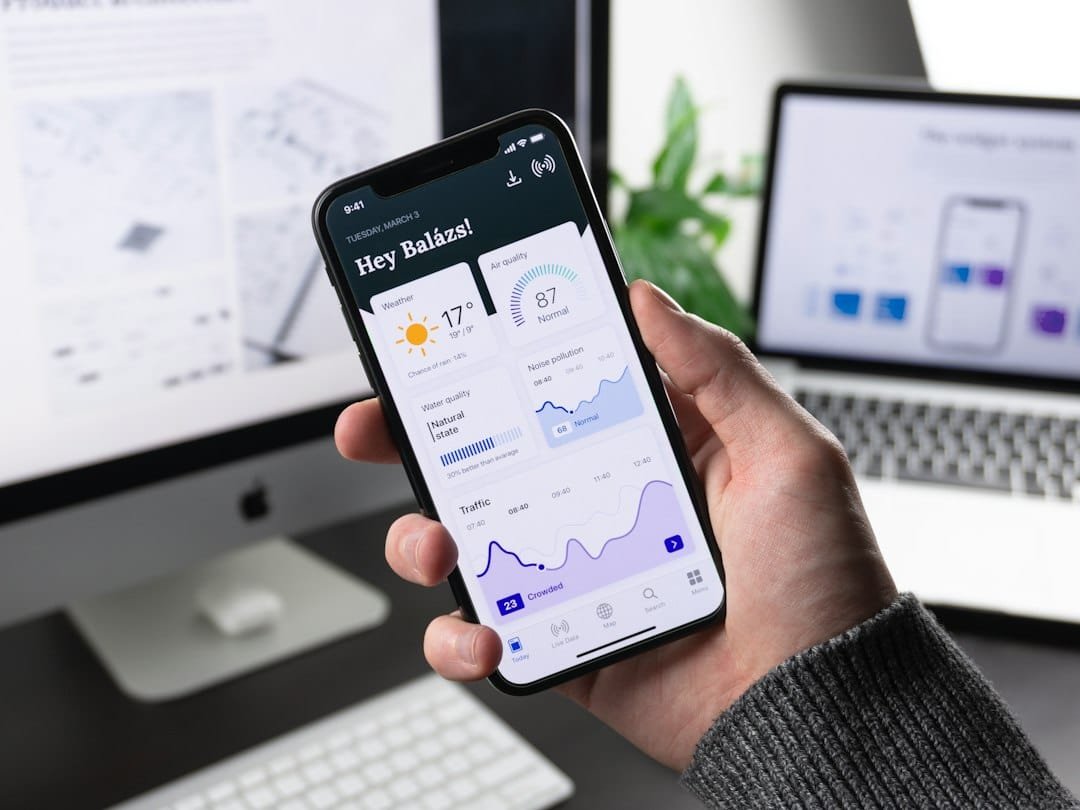
Arabic Mobile App Launch Campaigns in MENA: Publisher Outreach, Reviews, and Adoption Signals
Plan Arabic mobile app launches with audience-fit publishers, localized app journeys, transparent reviews, and adoption-focused measurement across MENA.
Launching a mobile app in Arabic-speaking markets is not only an announcement task. It connects publisher selection, app-store readiness, onboarding, trust, localization, and the first useful user action. A campaign should explain who the app is for, which problem it solves, where it is available, and what a new user should do next. This guide presents a practical approach without treating downloads or rankings as guaranteed outcomes.
Define adoption before planning coverage
Start by defining the user action that makes the launch valuable. For one app it may be account creation; for another it may be completing onboarding, booking a service, saving an item, or activating a feature. Downloads show attention but cannot prove that the right people installed the app or found value. Select one primary activation event and supporting measures, then confirm the analytics setup can record them consistently. Do not set campaign targets around metrics the product team cannot currently measure or explain.
Map the first-use journey
Map the journey from first discovery to the first successful in-app action. Note where a reader may hesitate: unclear pricing, permissions requested too early, unsupported devices, a language mismatch, account verification, or a feature unavailable in the target country. Publisher content can bring people to the door, but the app experience must complete the promise. If onboarding is confusing, more traffic can produce more abandoned sessions rather than adoption. Test the flow with people who resemble the intended audience, not only internal staff.
Segment markets by availability and user need
Do not treat MENA as one uniform launch market. Confirm where the app can be downloaded, which languages the interface supports, which payment or verification methods work, and whether support is ready. Features may differ by region or device. Build a market matrix with availability, target audience, onboarding constraints, support hours, and the next action you want each audience to take. This prevents an awareness campaign from promising an experience that some readers cannot access.
Choose publishers by reader intent
Different publishers reach different moments in the user journey. Consumer technology outlets may explain features; business publications may cover a company milestone; specialist sites may reach a defined use case; and local publications may provide market context. Evaluate recent articles and the section where content would appear, not just the domain’s overall metrics. Ask whether the outlet’s audience has a reason to care about this specific app and whether the story is appropriate for its format.
Prepare assets editors can verify
Create an asset kit with the app’s purpose, target users, supported markets, platform requirements, launch date, approved screenshots, spokesperson details, and a contact who can answer technical questions. Include a fact sheet distinguishing available features from planned features. If the app uses personal information or device permissions, explain the user-facing purpose accurately and link to relevant privacy information. Editors need details they can verify, not only a list of promotional benefits.
Campaign planning reference for review and implementation.
Make the app-store page match the article
The destination page is part of the campaign, not an afterthought. Check the app title, description, screenshots, supported languages, availability, permissions, privacy explanation, and developer information. A publisher article might introduce a feature missing from the store listing or send readers to a page that does not match their device. Consistency reduces uncertainty and lets a user verify the article’s claims. Confirm that the current store listing and approved campaign materials describe the same version of the product.
Localize the story and the product journey
Arabic content needs more than replacing English words. Review product terminology, dates, currency, names, onboarding instructions, and support details. Decide whether formal Modern Standard Arabic suits the publication, then have a fluent reviewer check naturalness and comprehension. The right wording for a technical feature may differ from the language used to describe a daily consumer benefit. Keep product facts consistent while adapting examples to readers. Avoid translating user-interface labels inconsistently across the article, landing page, and app.
Distinguish reviews from sponsored promotion
An editorial review, sponsored article, product announcement, and expert contribution are different formats. Confirm what the publisher offers, whether app access is required, how corrections work, and whether payment or another benefit is involved. Never ask a publisher to conceal a paid relationship or promise a positive opinion. Editorial independence improves credibility and protects the brand from a campaign that looks artificial. Use a format that matches the audience’s intent and the publisher’s policy.
Build a launch calendar with decision gates
Prepare the brief and product facts before approaching publishers. A practical sequence is readiness review, shortlist approval, pitch and asset preparation, outreach, editorial follow-up, publication verification, and measurement. Allow time for translation review, app-store updates, and technical fixes. Treat dates as planning estimates because editors manage their own calendars and may decline or delay a story. Tie the first outreach wave to a stable product version and destination page.
Measure adoption without overstating attribution
Report delivery and outcomes separately. Delivery includes publisher, live URL, article date, language, format, cost, and whether content matches the brief. Outcome measures may include referral sessions, engaged visits, store-page actions, activation, retention, qualified leads, or support inquiries if analytics are configured. Separate observed data from estimates and record the time window used for comparisons. The reporting sheet should distinguish clicks, installs, completed onboarding, and retained users instead of blending them into one result.
Treat privacy and security as part of product communication
Readers may want to know what information the app collects, why a permission is requested, whether an account is required, and how to contact support. Answer using approved product documentation rather than broad claims such as completely secure without evidence. If a security feature has limits or requires user action, explain those conditions. Before launch, ask product, privacy, and support owners to verify claims and ensure screenshots do not expose personal data, test accounts, or internal interfaces.
Prepare a destination that converts relevant visits
A campaign landing page should continue the promise made by the publisher. Explain the primary use case, supported devices, availability, cost model if applicable, privacy basics, support route, and the next step. Use screenshots or demonstrations only when they accurately reflect the current product. Test every link, app-store badge, QR code, form, and mobile layout before outreach. A strong article cannot compensate for an unclear offer, broken destination, or response team that is not prepared for questions.
Plan the post-launch learning loop
After the first wave, review publisher feedback and app behavior. Which questions came up repeatedly? Did readers understand the use case? Did the localized page answer practical concerns? Were there device or onboarding obstacles? Keep the review connected to evidence and separate editorial feedback from assumptions about why users did or did not activate. The next wave should test a defined improvement, not merely repeat the same headline.
Use a pre-outreach readiness checklist
Confirm the app is available in every target market, store and landing pages work on mobile, the intended activation event is measurable, screenshots are current, Arabic wording has been reviewed, and product claims have an owner. Verify the publisher list by topic and audience, distinguish editorial from paid formats, and agree budget and deliverables before outreach. Pause if a critical link is broken, a claim is unsupported, or the destination experience is not usable. Agencies can request access to the Arabic publisher database and use the contact page to align scope and timing.
All PublishBridge placements are permanent: they stay live for as long as the publisher’s site is online, and if a publisher removes one, we republish it, move it to an equivalent site at no cost, or refund you in full. Every placement also carries a 100% indexation guarantee.
Build an onboarding proof pack
Prepare short demonstrations or screenshots that show the first useful action and the choices a new user will encounter. Label every screenshot by app version and language, and have product owners confirm that the depicted screen is current. If access requires a code, payment method, or country-specific step, document that accurately in the press materials. A reviewer should be able to test the core experience without needing private customer data. These simple controls help avoid a mismatch between the article and the real installation journey.
Coordinate customer support with the launch
Before publishing, brief support staff on the campaign angle, target markets, known limitations, and likely questions. Give them an approved explanation of features, availability, privacy, and troubleshooting. If the campaign generates feedback about a confusing step, route it to product owners and record recurring themes. Do not ask support staff to improvise promises about planned features or release dates. A launch becomes more useful when editorial attention can be connected to a responsive customer experience and a practical feedback loop.
Run post-launch tests with a defined hypothesis
Each new wave should test something specific, such as a different audience, use case, language explanation, or destination page. Record the hypothesis before launch and choose a measure that can realistically show a difference. Keep other major changes stable where possible, and note seasonal or product changes that may affect interpretation. Avoid changing a headline, landing page, targeting, and onboarding simultaneously if the team needs to understand which change mattered.
Frequently asked questions
Use this visual while reviewing the campaign approach.
Should every market receive the same campaign? No. Start with availability, language support, product readiness, audience fit, and the ability to serve users. Local context may justify separate market waves.
Does publisher coverage guarantee app downloads? No. Installs and activation depend on the offer, app-store page, product experience, distribution, competition, and measurement limits.
When should outreach begin? Begin once product facts, destination pages, support process, and launch timing are stable enough to share. Leave room for editorial calendars and technical changes.
How do you verify the quality and metrics of your Arabic publishers?
We continuously audit publishers using Ahrefs metrics (DR, organic traffic), index stability, and spam scores, so you only buy placements on real, active, high-quality sites.
Are article placements permanent and guaranteed to be indexed?
Yes. Every placement is permanent: it stays live for as long as the publisher website is online, with no expiry date and no renewal fees. Many resellers sell cheaper links that publishers remove after an agreed period. We never agree time limited terms with publishers. If a publisher ever removes your article while its website is still online, we republish it, place it on an equivalent publisher at no extra cost, or refund you in full. Every placement also comes with a 100% Google indexation guarantee or a full refund.
What is the average turnaround time (TAT) for publishing?
Standard publication turnaround time ranges between 3 to 7 business days depending on the selected media outlet and editorial review.
Can PublishBridge handle Arabic content creation and localization?
Absolutely. Our in-house editorial team writes tailored Arabic press releases and articles, edited by native speakers and optimized for regional search intent.
Do you offer custom agency discounts or bulk pricing?
Yes, we provide volume-based discounts and custom invoicing solutions for SEO agencies managing multiple client accounts.
Stay Ahead in Arabic Digital PR
Subscribe to receive exclusive insights on MENA search trends, new verified publisher additions, and agency strategies.
Need a Custom Media Strategy?
Schedule a brief consultation with our Arabic Digital PR specialists to discuss your campaign targets and custom bulk pricing.