Arabic Automotive Marketing in MENA: Publisher Strategy for Vehicle Launches, Dealers, and Mobility Brands
Develop Arabic automotive publisher campaigns for vehicle launches, dealer networks, electric mobility, accurate specifications, and qualified customer journeys.
Automotive marketing in MENA spans new model launches, dealer networks, after-sales services, commercial fleets, electric mobility, and ownership education. Buyers often compare specifications, financing conditions, availability, servicing, and local support before taking action. Publisher campaigns can help explain a vehicle or mobility offer, but they must keep technical claims, market availability, and commercial terms precise. This guide shows how brands and agencies can build Arabic publisher campaigns that serve distinct automotive audiences without relying on generic performance claims.
Choose the automotive objective and buyer journey
Clarify whether the campaign supports a model launch, dealer opening, fleet inquiry, service campaign, electric vehicle education, or general brand consideration. A new-car buyer may need comparison information, while a fleet manager may focus on total operating requirements, service coverage, and procurement. A charging provider may need to explain compatibility and access rather than promote a vehicle. Define the action before choosing a publication or story angle.
Segment buyers by use case, not assumptions
Potential audiences include private buyers, business fleets, rental operators, dealerships, service customers, automotive enthusiasts, and readers researching electric mobility. Their questions differ. A family may prioritize seating and safety equipment; a fleet buyer may need payload, operating costs, uptime, and service locations; an EV shopper may ask about charging access and battery warranty. Use research and verified product information rather than assuming every buyer values the same feature.
Create a current specification and availability sheet
Automotive facts can vary by model year, trim, market, and supplier. Record model names, engine or motor configuration, dimensions, official range methodology where relevant, features, warranty, service coverage, delivery status, and market availability. Identify which specifications apply only to selected versions. Do not copy figures from another country or model grade without confirmation. Give every important claim an owner and a date when it was last checked.
Explain vehicle performance in context
A specification is useful when readers understand what it means for their use case. Explain the conditions behind fuel economy, electric range, charging speed, load capacity, safety equipment, or towing limits. Do not turn a controlled test figure into a guarantee of everyday performance. If comparing two vehicles, state the comparison basis, model versions, and any differences that materially affect the conclusion. A precise explanation builds confidence more effectively than unsupported superlatives.
Choose automotive publishers by subject and audience
Automotive specialist sites may reach enthusiasts and comparison shoppers, while business media can reach fleet decision-makers or industry readers. Local news and lifestyle publications may suit a dealer opening or a market announcement. Review recent coverage, test-drive practices, editorial standards, regional focus, and sponsored-content labelling. A large general site is not automatically the best choice if its readers are unlikely to be researching the vehicle category or commercial service.
Plan a launch narrative beyond the press release
A model launch can be explained through design, engineering, ownership questions, local availability, servicing, or a specific use case. Choose an angle that adds information rather than repeating a list of features. For a fleet solution, discuss operational fit and support; for an EV, explain charging and ownership considerations; for an after-sales campaign, clarify maintenance access and service process. A story should remain useful to readers even if they are not ready to buy immediately.
Campaign planning visual reference.
Make the dealer and test-drive journey clear
A reader who clicks from an article should be able to find the relevant dealer, request information, or arrange a test drive without searching across unrelated pages. Confirm dealer addresses, opening hours, inventory statements, contact routes, and the geographic limits of an offer. If a form routes requests to a central team, explain what happens next and ensure leads reach the correct market or dealership. Test every destination on mobile.
Handle financing and price claims with care
Prices, finance examples, deposits, monthly payments, taxes, insurance, and promotional conditions can vary. Present them only when the terms are current and approved, and state the period and eligibility conditions. Do not imply that every buyer will qualify for a sample payment. Financial promotions may require local legal review and specific disclosures. When details change quickly, send readers to a maintained official page rather than embedding old figures in evergreen copy.
Localize automotive terminology for Arabic audiences
Arabic copy must handle model names, trim labels, technical terms, units, road terminology, and finance language consistently. Some technical names may remain in English, but explain them when the intended audience may not recognize them. Use market-appropriate Arabic without changing the facts. Review city and dealer names carefully, and ensure that the Arabic article and destination page show the same availability, specifications, and next step.
Communicate electric mobility without overpromising
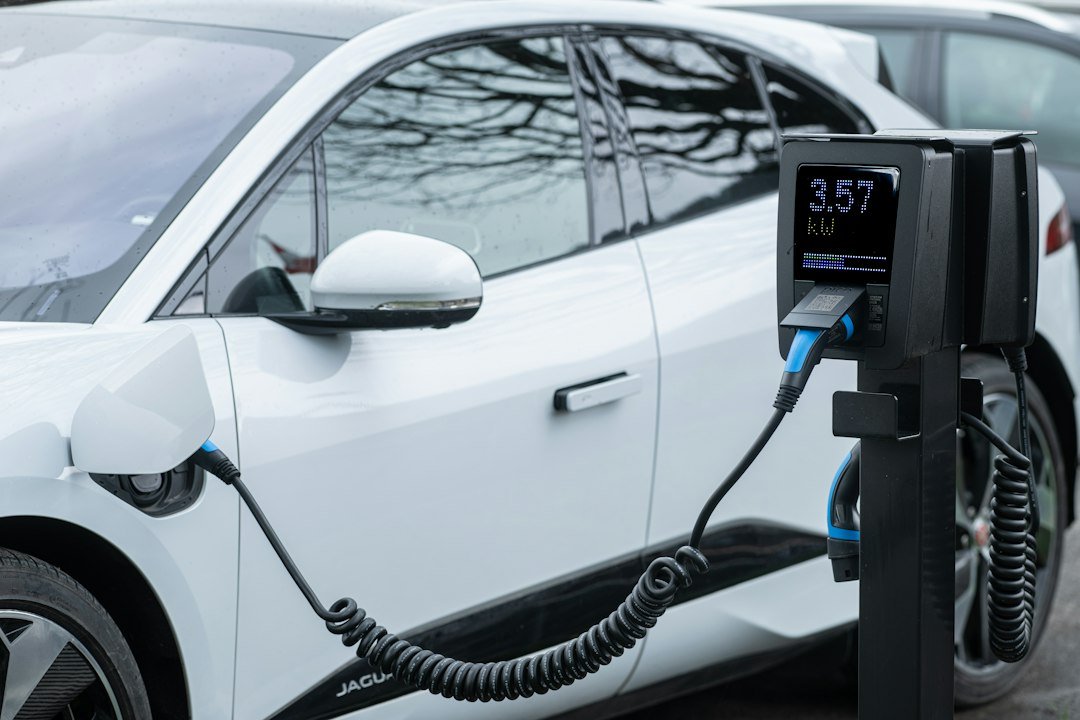
Electric mobility content should explain charging access, connector compatibility, charging conditions, battery warranty, service support, and the difference between home, workplace, and public charging. Do not imply that charging infrastructure is available everywhere if the network has geographic limits. Range depends on conditions and driving patterns; present official information with the relevant context. Avoid broad claims that an EV is cheaper or cleaner in every circumstance without a defined comparison.
Use visual assets that match the exact vehicle or service
Select images for the right model, trim, market, and campaign context. A generic vehicle photograph should not be presented as the exact model being discussed. Confirm usage rights for brand marks, dealer logos, number plates, and customer images. Captions can identify whether an image is illustrative. Keep source files and approved versions organized so agencies do not reuse an old model-year photograph after specifications or design details change.
Distinguish independent reviews from paid promotion
Editorial road tests, expert commentary, launch announcements, sponsored articles, and dealer promotions are not interchangeable. Confirm which format is available and whether a publisher retains editorial control. Paid arrangements should be disclosed and should not be described as independent recommendations. Document approval rights, test-drive access, insurance or supervision requirements, link destinations, and the evidence expected after publication. Never request a guaranteed positive review.
Connect campaigns to after-sales and ownership education
A vehicle decision continues after the initial purchase. Content about maintenance schedules, warranty scope, genuine parts, service booking, roadside assistance, and charging support can help owners find accurate information. These topics should use official documentation and avoid replacing professional technical advice. Keep information current and direct readers to the correct service network. An educational article may support trust even when it does not produce an immediate sale.
Measure qualified inquiries separately from media delivery
Report outlets, live URLs, coverage dates, language, format, and delivery against the agreed plan. Business outcomes may include test-drive requests, dealer enquiries, fleet leads, service bookings, or visits to model pages where tracking exists. Separate these from reach and referral traffic. Do not attribute every sale to a publisher article without evidence, and do not treat a click as a qualified prospect. Define lead quality with sales and dealer teams before the campaign starts.
Coordinate launch timing with inventory and dealer readiness
Before outreach, confirm launch embargoes if applicable, local stock status, dealer readiness, approved pricing, demo vehicles, staff training, and contact coverage. If delivery or a launch date moves, update the content and pause outdated messages. Provide one contact who can verify urgent changes. A campaign should not create demand in a location where the advertised product, service, or test-drive opportunity is not available.
Support dealer networks with consistent campaign materials
Automotive brands often work through several dealers, distributors, and service partners. Create a central source of approved model facts, image versions, price conditions, and lead-routing rules. Give each participating dealer a clear territory, contact route, and guidance on what it may customize. If stock varies by dealer, do not publish a single availability statement as though it applies everywhere. Consistency protects the brand while allowing local teams to respond to market-specific questions.
Treat test-drive leads as a service process
A test-drive inquiry needs a practical next step: a confirmation, a suitable dealer, available vehicle, date options, and any requirements that apply. Measure how many inquiries are contacted, confirmed, attended, or cancelled, rather than counting every form as a completed test drive. Keep personal information within approved systems and use it only for the stated purpose. Follow-up quality can determine whether media attention becomes a useful sales conversation.
Use a campaign brief that protects every stakeholder
The brief should include model or service scope, market, audience, verified specifications, pricing terms if applicable, source documents, images, target URL, publication format, disclosure, approvals, and measurement. Agencies can use Arabic publisher outreach to plan relevant media contact and request database access for a campaign-specific shortlist. Confirm scope through PublishBridge contact before committing placements.
All PublishBridge placements are permanent: they stay live for as long as the publisher’s site is online, and if a publisher removes one, we republish it, move it to an equivalent site at no cost, or refund you in full. Every placement also carries a 100% indexation guarantee.
Frequently asked questions
Illustrative visual supporting the article topic.
Should every automotive campaign focus on model launches? No. Dealer networks, after-sales services, fleet solutions, charging infrastructure, and ownership education can each support distinct audience needs.
Can automotive content promise a particular real-world range or performance? Only describe supported specifications and the conditions behind them. Everyday outcomes vary with model version, environment, use, and operating conditions.
What makes an automotive publisher relevant? Its recent coverage, reader interests, geographic fit, editorial standards, and ability to reach the specific buyer or owner audience.
For campaign-specific publisher selection, request access to PublishBridge’s Arabic publisher database or contact the team to discuss the market, audience, and campaign scope. Publisher availability, editorial acceptance, timing, and performance vary by campaign; no ranking or indexing outcome is guaranteed.
How do you verify the quality and metrics of your Arabic publishers?
We continuously audit publishers using Ahrefs metrics (DR, organic traffic), index stability, and spam scores, so you only buy placements on real, active, high-quality sites.
Are article placements permanent and guaranteed to be indexed?
Yes. Every placement is permanent: it stays live for as long as the publisher website is online, with no expiry date and no renewal fees. Many resellers sell cheaper links that publishers remove after an agreed period. We never agree time limited terms with publishers. If a publisher ever removes your article while its website is still online, we republish it, place it on an equivalent publisher at no extra cost, or refund you in full. Every placement also comes with a 100% Google indexation guarantee or a full refund.
What is the average turnaround time (TAT) for publishing?
Standard publication turnaround time ranges between 3 to 7 business days depending on the selected media outlet and editorial review.
Can PublishBridge handle Arabic content creation and localization?
Absolutely. Our in-house editorial team writes tailored Arabic press releases and articles, edited by native speakers and optimized for regional search intent.
Do you offer custom agency discounts or bulk pricing?
Yes, we provide volume-based discounts and custom invoicing solutions for SEO agencies managing multiple client accounts.
Stay Ahead in Arabic Digital PR
Subscribe to receive exclusive insights on MENA search trends, new verified publisher additions, and agency strategies.
Need a Custom Media Strategy?
Schedule a brief consultation with our Arabic Digital PR specialists to discuss your campaign targets and custom bulk pricing.