Renewable energy communication in MENA can involve project developers, equipment suppliers, engineering firms, utilities, investors, commercial buyers, and public stakeholders. Solar, wind, storage, grid integration, and energy services each require different evidence and explanations. Publisher campaigns can make complex projects easier to understand, but they must avoid unsupported claims about generation, savings, emissions, or investment returns. This guide sets out a practical approach to Arabic-language energy content and media outreach based on verified project information.
Define the energy solution and campaign objective
Start by specifying whether the campaign concerns a project, technology, equipment range, service provider, engineering capability, or market development. A solar installation announcement needs different information from a guide to energy storage or a commercial procurement discussion. Identify the intended reader and decision: awareness, technical evaluation, partner interest, investment discussion, or a qualified project inquiry. This prevents a broad sustainability message from obscuring what the organization actually offers.
Explain the project stage accurately
Energy projects move through assessment, design, permitting, financing, construction, commissioning, and operation. A project at an early stage should not be described as operating capacity. Clarify the current stage, responsible parties, expected milestones where approved, and what remains conditional. Use dated statements for announcements because project status can change. Do not imply that a memorandum, feasibility study, or planned investment represents a completed or operational asset.
Use evidence for generation and performance claims
Claims about installed capacity, annual generation, efficiency, availability, savings, and return require a clear basis. State whether a number is design capacity, expected output, measured generation, or a modeled estimate. Explain the timeframe and assumptions, and identify the source. Performance can depend on location, resource conditions, system design, maintenance, and curtailment. Never present projected output as a guaranteed result or apply one project’s performance to every installation.
Explain emissions claims with a defined boundary
Statements about avoided emissions or environmental impact depend on the baseline, system boundary, grid factor, operating period, and methodology. Avoid using a single headline figure without explaining its basis. Do not imply that a renewable project has zero environmental impact across its full lifecycle. If a claim relies on an external standard, certification, or model, verify its scope and current status. Use qualified technical reviewers for any material sustainability statement.
Choose publishers by stakeholder relevance
Energy and industry publications may reach technical readers; business media can reach executives and investors; construction and infrastructure outlets may suit project delivery; and general news can work for a genuinely material announcement. Review whether the publication covers energy markets, engineering, investment, regulation, or commercial procurement. Evaluate its audience and editorial context rather than choosing solely on estimated reach or a domain metric.
Translate technical concepts without losing precision
Arabic energy content should use consistent terms for capacity, generation, storage, grid connection, power, energy, efficiency, and emissions. Technical units and abbreviations should be defined and used consistently. Avoid translating terms in ways that confuse installed capacity with actual output or power with energy. A qualified reviewer should check that the explanation remains accurate while being understandable to the intended non-specialist reader.
Campaign planning visual reference.
Prepare a project evidence pack
Collect approved project descriptions, technical specifications, location details, maps, diagrams, photographs, milestone dates, responsible organizations, and source notes. Identify which details may be published and which remain confidential. Confirm rights to images, partner logos, and site photographs. Label drawings and renderings clearly so readers do not mistake conceptual imagery for a completed installation. The pack should allow editors to verify key facts without relying on promotional statements alone.
Address commercial buyer questions
Businesses evaluating energy solutions may ask about load profile, installation constraints, maintenance, warranties, financing structure, service coverage, integration, and performance monitoring. Content should explain which questions can be answered publicly and which require a site assessment or technical quotation. Avoid generic savings promises. If figures are illustrative, state the assumptions and tell readers which variables affect the result. A practical article can be more useful than a broad claim about lower energy costs.
Discuss policy and market conditions with caution
Energy policy, permitting, tariffs, incentives, and grid rules can vary across MENA and may change. Do not generalize the rules of one country to another. Confirm the jurisdiction, publication date, and official source before using a regulatory statement. If the topic is legally or financially consequential, route it to a qualified local reviewer. A publisher article should explain the implications within its scope, not replace official advice.
Build a destination page for the right inquiry
A project page should clarify the technology, service scope, supported markets, evidence, project stage, and next step. A commercial buyer may need a technical assessment, while an investor or partner may need a separate contact path. Do not send every reader to an unrelated homepage. Test the mobile experience, forms, document links, and contact routing. Ensure the page does not imply that a project is available for purchase or investment when it is not.
Use Digital PR for material project milestones
A new facility, verified project financing, commissioning milestone, partnership, or technical deployment may create a legitimate news angle when information is approved and material. Prepare a factual announcement, source notes, spokesperson, and media assets. Distinguish a project announcement from sponsored educational content. Paid placements should be disclosed and should not be presented as independent validation of a project’s environmental or financial performance.
Measure stakeholder engagement with realistic expectations
Track media delivery, live URLs, language, format, date, and agreed scope. Useful outcomes may include technical inquiries, requests for feasibility discussions, partner contacts, consultation bookings, or qualified commercial leads when measurement exists. Do not confuse general site traffic with investment interest or attribute project awards to one article without evidence. Energy decisions often have long evaluation cycles, so report intermediate indicators as such.
Prepare spokespeople for technical and commercial questions
Choose a spokesperson who can explain verified facts and knows which questions require engineering, legal, finance, or policy review. Prepare a concise Q&A covering project stage, technology, performance assumptions, market availability, and limitations. Do not improvise responses about expected savings, returns, or regulatory approvals. Record the approved wording and update it if the project or supporting evidence changes.
Plan for construction delays and changing project facts
Project timelines can shift because of procurement, approvals, grid connection, weather, financing, or construction conditions. Use ranges only when the project owner approves them and label estimates clearly. If a major milestone changes, update the press material and destination page promptly. Assign a named person responsible for confirming current status before each outreach wave. This avoids keeping outdated timelines or capacity claims in circulation.
Use credible visuals to explain technology
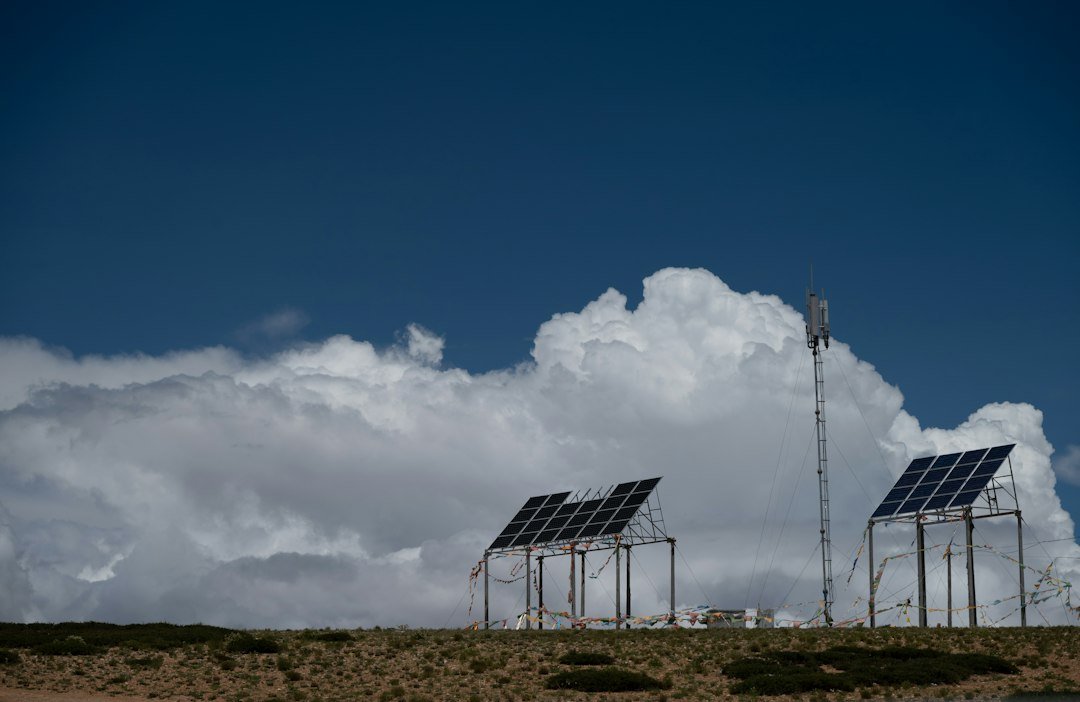
Photographs, diagrams, site plans, and simple process graphics can make renewable energy topics easier to understand. Confirm whether a visual shows the actual site, a similar installation, or an illustrative concept. Avoid edited imagery that misrepresents scale or project completion. Caption technical images with context and obtain permission from partners and site owners. Ensure the visual does not expose restricted infrastructure or confidential operational information.
Explain grid connection and storage considerations
A project may need to explain whether its output is connected to a grid, used behind the meter, stored, curtailed, or delivered under a particular commercial arrangement. These details affect the buyer’s understanding of value and operational scope. Avoid suggesting that generated power can always be used or exported without constraints. Have the engineering owner validate diagrams and wording so the article distinguishes energy production, storage, and delivery.
Address financing and procurement without promising returns
Developers and buyers may evaluate capital cost, financing terms, operating expenditure, warranties, maintenance, and contracting models. Describe the commercial structure only when approved and avoid publishing a projected return as a guaranteed result. A useful article can outline the questions a buyer should ask and the documents to review before comparing proposals. This positions the brand as a source of practical information rather than an issuer of unsubstantiated investment claims.
Assess project readiness before choosing media
A planned project, a construction milestone, and an operating asset have different communication needs. Confirm whether the organization can share site details, partner roles, commissioning dates, and measured results. If approvals or financing remain conditional, state that clearly and avoid presenting estimates as completed outcomes. Match the publisher and format to the information that is ready for public review, not to an idealized launch timeline.
Connect energy brands to Arabic publisher opportunities
All PublishBridge placements are permanent: they stay live for as long as the publisher’s site is online, and if a publisher removes one, we republish it, move it to an equivalent site at no cost, or refund you in full. Every placement also carries a 100% indexation guarantee.
Frequently asked questions
Illustrative visual supporting the article topic.
Can a renewable energy campaign promise exact annual savings? Only use a properly supported estimate with its assumptions, timeframe, and limitations. Actual results depend on site and operating conditions.
Should every energy project be described as operational? No. State whether it is planned, under development, under construction, commissioned, or operating.
Which publishers are relevant for renewable energy? Select according to the stakeholder: energy specialists, infrastructure media, business publications, investors, or technical audiences.
For campaign-specific publisher selection, request access to PublishBridge’s Arabic publisher database or contact the team to discuss the market, audience, and campaign scope. Publisher availability, editorial acceptance, timing, and performance vary by campaign; no ranking or indexing outcome is guaranteed.
How do you verify the quality and metrics of your Arabic publishers?
We continuously audit publishers using Ahrefs metrics (DR, organic traffic), index stability, and spam scores, so you only buy placements on real, active, high-quality sites.
Are article placements permanent and guaranteed to be indexed?
Yes. Every placement is permanent: it stays live for as long as the publisher website is online, with no expiry date and no renewal fees. Many resellers sell cheaper links that publishers remove after an agreed period. We never agree time limited terms with publishers. If a publisher ever removes your article while its website is still online, we republish it, place it on an equivalent publisher at no extra cost, or refund you in full. Every placement also comes with a 100% Google indexation guarantee or a full refund.
What is the average turnaround time (TAT) for publishing?
Standard publication turnaround time ranges between 3 to 7 business days depending on the selected media outlet and editorial review.
Can PublishBridge handle Arabic content creation and localization?
Absolutely. Our in-house editorial team writes tailored Arabic press releases and articles, edited by native speakers and optimized for regional search intent.
Do you offer custom agency discounts or bulk pricing?
Yes, we provide volume-based discounts and custom invoicing solutions for SEO agencies managing multiple client accounts.
Stay Ahead in Arabic Digital PR
Subscribe to receive exclusive insights on MENA search trends, new verified publisher additions, and agency strategies.
Need a Custom Media Strategy?
Schedule a brief consultation with our Arabic Digital PR specialists to discuss your campaign targets and custom bulk pricing.