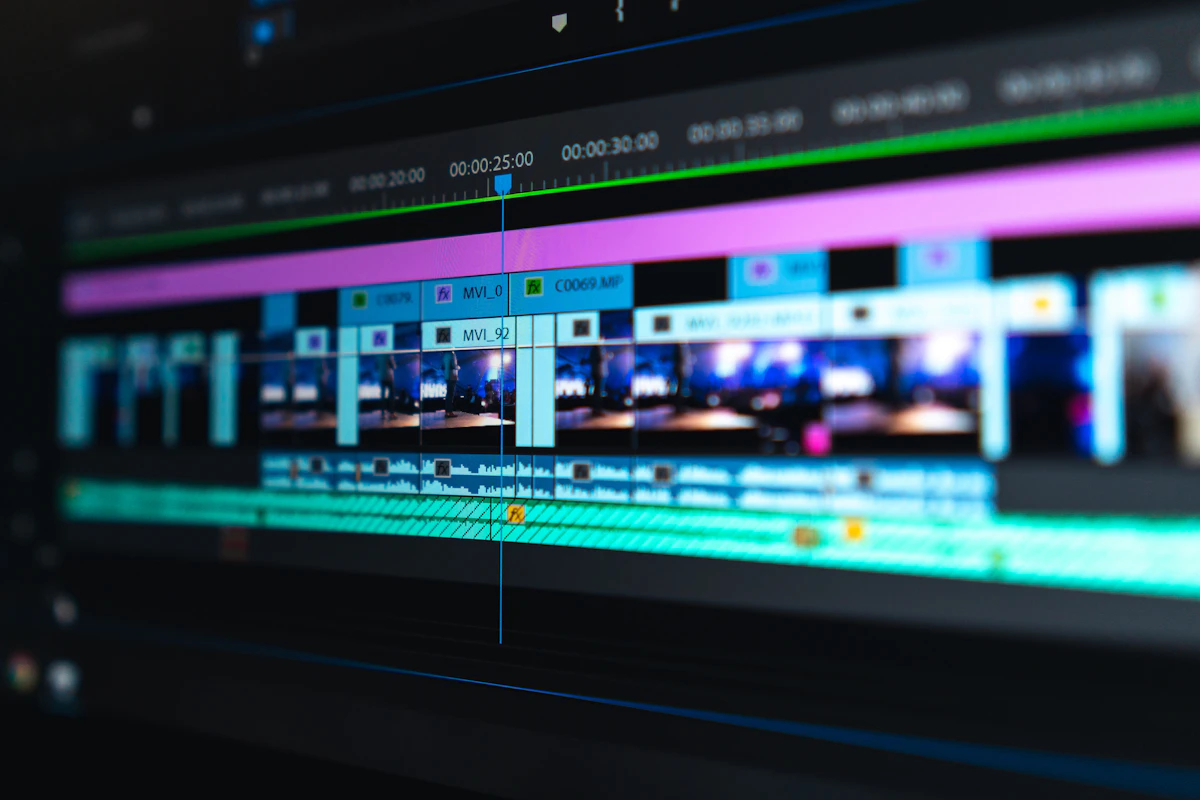
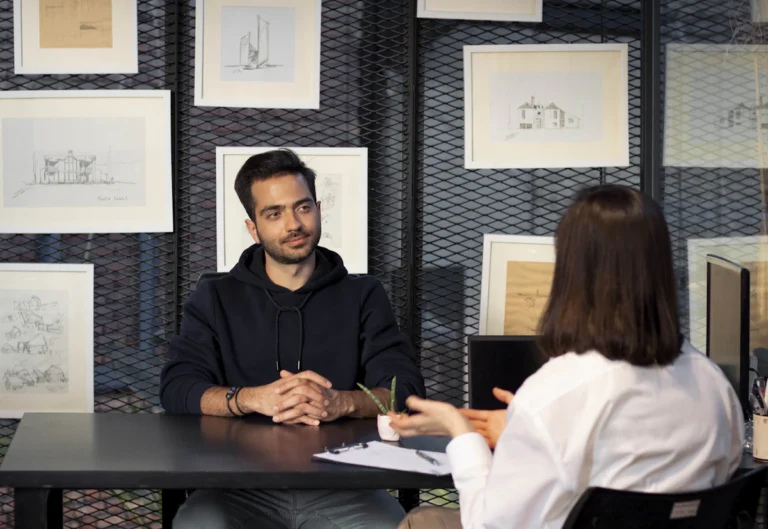
Video can explain products, demonstrate a process, answer customer questions, and build familiarity faster than a long page alone. But publishing a video does not automatically make it discoverable. Search engines need accessible pages, clear context, stable media information, and content that genuinely satisfies the viewer’s intent. For brands and publishers serving Arabic-speaking audiences across MENA, video SEO also requires attention to dialect, captions, mixed-language terminology, mobile playback, and the distinction between a useful video and a page built primarily to host it.
1. Start with a defined viewer intent
Identify the question the video answers before choosing its title or format. A product walkthrough, an expert interview, a tutorial, a short news clip, and a customer story serve different purposes. Decide whether the viewer is trying to learn, compare, troubleshoot, or take an action. Use search research, customer questions, support conversations, and performance data to find recurring needs. Avoid making a separate video for every keyword variation when one clear resource can answer the underlying question.
Map the video to a suitable next step. An explainer might link to a detailed guide; a product demonstration could link to specifications or a trial page; a publisher interview might link to sources and a related article. Keep the next step relevant and transparent. A viewer who arrives for an educational answer should not be forced through a misleading sales pitch before receiving it.
2. Choose the right hosting and page format
Brands may host video on a platform such as YouTube or embed a player on their own site. Each approach has different trade-offs for reach, branding, control, analytics, and technical maintenance. You do not need to host every video yourself to make the surrounding page useful. If a video is embedded, add original context, a concise summary, related resources, and a clear purpose instead of publishing an almost empty page with only a player.
For videos whose search visibility is strategically important, consider a dedicated watch page when the video is the primary reason a user visits. Give it a unique title, description, visible player, stable thumbnail, and supporting text that accurately describes the actual footage. Do not label every blog post containing an incidental video as a dedicated video landing page. Make the page’s primary purpose obvious to both people and crawlers.
3. Write titles and descriptions that set accurate expectations
A useful video title explains the topic and the value of watching, using language that an Arabic-speaking audience would naturally recognize. Place the defining phrase where it reads well, but do not stuff the title with repeated terms or promise an outcome the video does not deliver. A description should explain what the viewer will learn, who the content is for, and any relevant context such as the product version, speaker, location, or date.
Keep titles distinctive across a video library. If dozens of pages are titled “Arabic SEO tips,” users and search engines have little reason to distinguish them. Include meaningful differentiators such as an exact task, audience, or question. Refresh outdated titles when the content has materially changed, and do not change them simply to chase temporary queries if that makes the promise less accurate.
4. Make captions accurate and useful
Captions help viewers who watch without sound, users with hearing disabilities, and people who need to follow technical terms carefully. Arabic speech recognition can struggle with dialects, names, brand terms, acronyms, code switching, and noisy recordings. Treat automatic captions as a draft that requires review, especially when the video includes numbers, instructions, product details, medical or financial claims, or quotations.
Choose a language label that reflects the spoken language. If English terms are used inside Arabic speech, preserve them consistently where they are important to comprehension. Avoid adding keywords to caption text when nobody actually said them. Check timing, punctuation, speaker changes, and line breaks on both desktop and mobile. For high-value content, retain a reviewed caption file and track which version matches the published video.
5. Publish a readable transcript and chapter structure
A transcript makes the content easier to scan, quote, search, and access. It should reflect what was said rather than become an unrelated keyword article. You may lightly correct obvious speech-recognition errors, add punctuation, and use speaker labels where they improve clarity, but preserve the meaning. When the transcript is long, use descriptive subheadings or timestamps to help viewers find the segment they need.
Chapters are particularly valuable for tutorials, interviews, and long presentations. Use accurate timestamps and labels that summarize real segments. Do not invent chapter titles that imply topics missing from the recording. A concise summary above the transcript can orient the reader, while links to the relevant documentation or source material help viewers verify important statements.
6. Make the video crawlable and technically accessible
Keep the video player visible in the rendered page and avoid relying exclusively on a click, swipe, or user action to inject its identifying markup. Test that the page works when JavaScript resources load slowly or are restricted. Use standard, discoverable embed patterns, stable URLs, and a thumbnail that can be accessed without a login. Do not block important video files or thumbnails in robots rules. A page can look correct in a browser while its primary media remains difficult for crawlers to discover.
Structured data can help describe a video when it accurately matches visible content. Include properties required by the relevant specification and use a unique name, description, and thumbnail for each recording. A video sitemap may help discovery for a video library, particularly when ordinary navigation makes videos difficult to find. Metadata is not a substitute for a useful page, and valid markup does not guarantee a video feature in search.
7. Balance playback quality with page performance
Large video files can slow a page, especially on mobile networks. Use an appropriate player, avoid loading multiple heavy embeds above the fold, and consider click-to-load behavior for secondary videos. Ensure the poster image has correct dimensions and is compressed for its actual display size. Test pages on typical mobile connections as well as a fast desktop connection. Monitor layout shifts, player initialization, and whether the page remains responsive while media loads.
Give users control over playback, volume, captions, and full-screen viewing. Avoid auto-playing audio. Check keyboard access, visible focus, contrast, and player labels. If a video is the central content, it should not be pushed far below unrelated promotional elements or hidden behind a layout that makes the page hard to use.
8. Localize for Arabic audiences
Localization involves more than adding Arabic subtitles to a global video. Examples, interface labels, units, terminology, and references should fit the intended audience. Decide whether a video uses Modern Standard Arabic, a particular dialect, English, or a deliberate combination, then communicate that clearly. Do not imply that one regional voice or example represents every Arabic-speaking market.
When separate language versions exist, keep each page’s title, description, captions, and transcript aligned with the actual audio. Connect equivalent language pages through clear navigation and appropriate internationalization signals. Avoid copying the same caption file onto versions whose wording differs. If the video contains a real-world demonstration, check that the visual instructions remain understandable when captions are translated.
9. Distribute videos through relevant owned and earned channels
Publishers, newsletters, social channels, partner sites, and relevant industry communities can help a video reach people who will use it. Tailor the introduction to each channel rather than sending an identical generic pitch. For publisher outreach, provide a short synopsis, the intended audience, key facts, a high-quality thumbnail, caption availability, usage rights, and a contact who can answer editorial questions.
Seek coverage because the video contributes something useful, not solely because it contains a desired backlink. Paid placements should be disclosed and links should reflect their relationship. Do not promise ranking results or treat the number of embeds as a substitute for audience relevance. Track the referral quality and viewer response generated by each channel.
10. Measure discovery, viewing, and business outcomes
Monitor video impressions, click-through rate, watch-page traffic, video indexing reports where available, player engagement, completion patterns, and relevant next actions. Segment by language, market, device, source, and video topic where the dataset supports it. A high view count on a third-party platform does not necessarily mean a site’s video landing page is visible or converting.
Use analytics to identify friction. If viewers leave at a specific section, review whether the explanation is too long, captions are inaccurate, or the promised answer appears too late. If a useful video has weak search visibility, check crawlability, thumbnail access, page indexing, title clarity, and internal links before producing more content. Annotate updates so that changes in performance can be interpreted in context.
For additional context, see our guide to Arabic news SEO for publishers and our framework for SEO reporting for MENA clients.
Conclusion
Arabic video SEO depends on matching viewer intent with clear watch pages, accurate captions, readable transcripts, stable media information, accessible playback, and practical measurement. These fundamentals help videos serve audiences across MENA without assuming that metadata alone will produce visibility. A repeatable review process makes video libraries easier to maintain as topics, products, and audience needs change.